Caregiving for someone living with paralysis requires more than physical support — it requires resources, community, and strategies for both you and your loved one to thrive. At the Christopher & Dana Reeve Foundation, we understand the unique challenges faced by family caregivers of people living with paralysis, including spinal cord injury and other disabilities. Here you will find practical caregiving tips, a free paralysis resource guide, and a virtual support group to help you care for your loved one — and yourself.
Whether you’re managing new responsibilities, balancing your own health, or seeking peer support, our goal is to connect you with the tools and community you need to sustain your role as a caregiver.
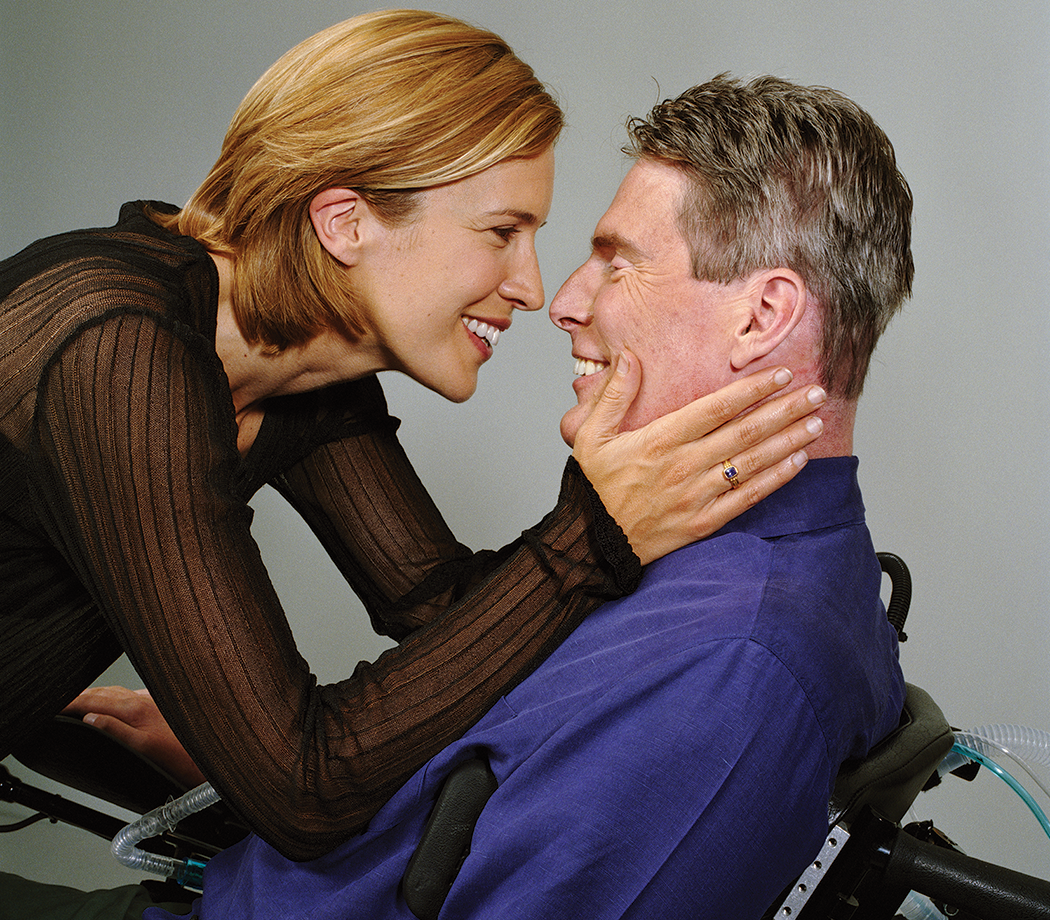
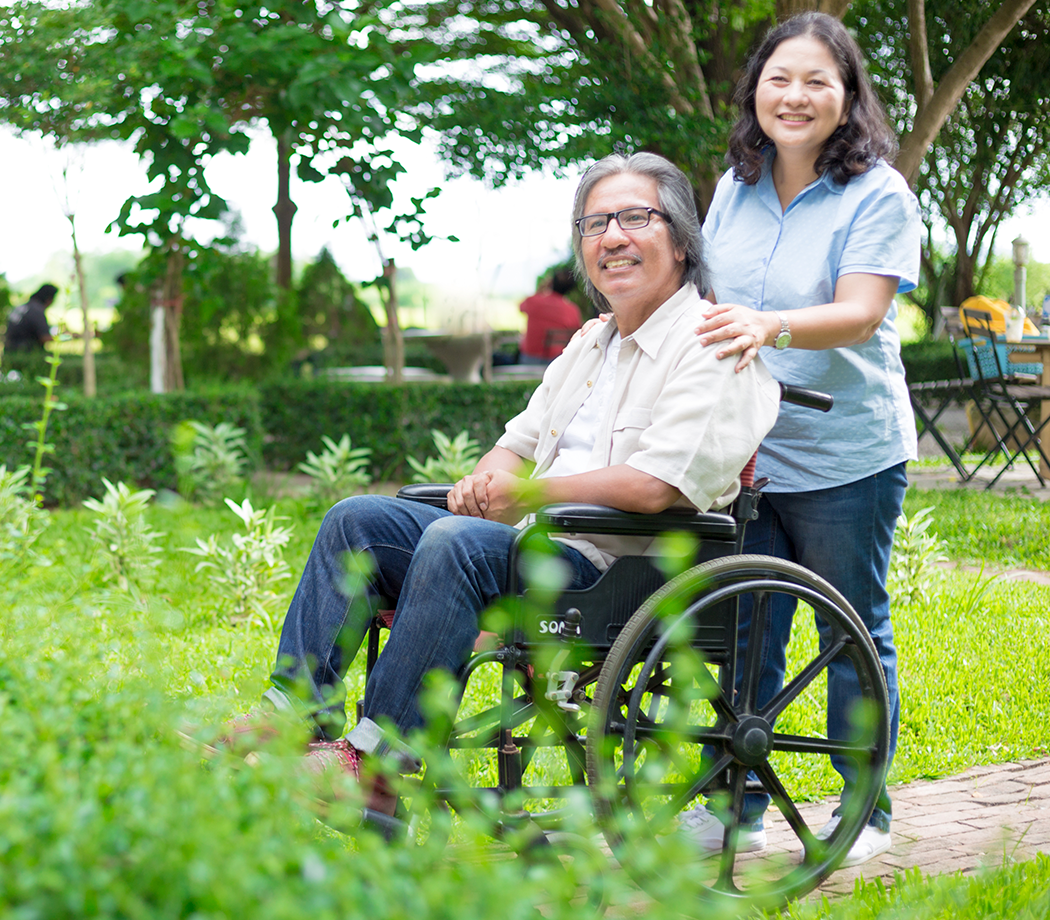

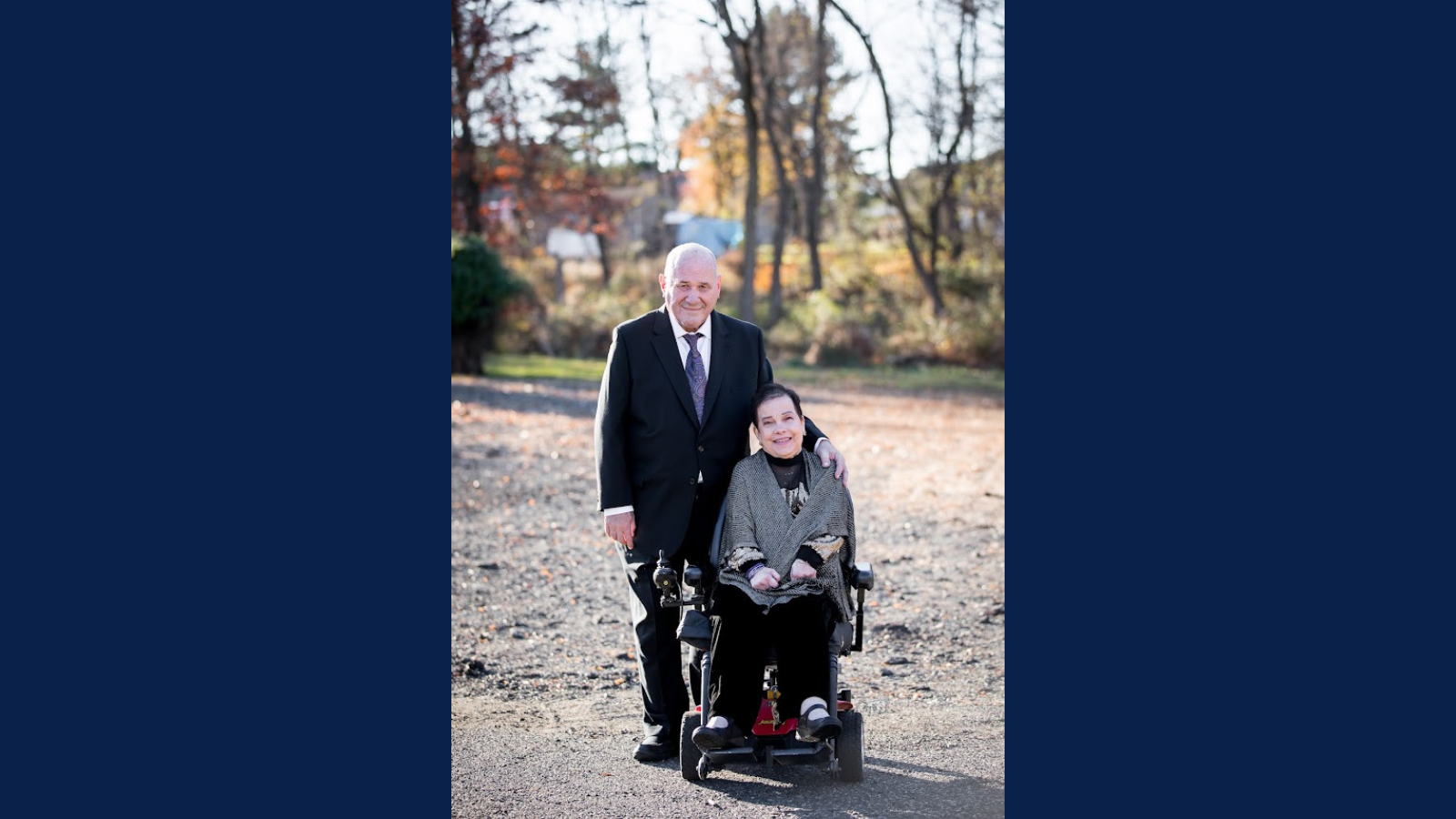
The Reeve Foundation’s Caring for a Family Member Living with Paralysis support group provides an opportunity for caregivers to connect with other caregivers who understand what they are going through and to gain support, insight, and guidance. Find a meeting to attend below.
In parent-child relationships where one person is living with paralysis, helping one another becomes part of daily life. How do families reframe caregiving as connection, strengthen their bond, and prevent burnout along the way? Listen in on a conversation on how expanding our definition of caregiving can deepen relationships, as well as practical ways to balance responsibilities, set boundaries, and support one another with care and resilience.
In relationships where one partner is living with paralysis, dynamics can change in big ways—especially if one partner is providing care to the other. How do couples stay connected, communicate well, and avoid burnout?
The experience of receiving and giving care can be as exhausting as it is rewarding. For those of us with paralysis who rely on caregivers, this experience can lead to feelings of guilt and fatigue, while caregiver burnout is unfortunately all too common. Systemic barriers such as low pay, lack of training, and preconceived ideas of care and disability can make it hard to maintain healthy caregiving relationships.
Roughly 12% of people in the U.S. provide unpaid care to family members, a number that will likely increase as our population ages and people with disabilities live longer. Working to ensure long-term sustainability within these relationships is necessary as we look towards the future. For National Family Caregivers Month, Hannah Soyer, Naomi D. Williams, and Amy Wang-Hiller had a discussion on navigating caregiving dynamics with family members – both as a caregiver and someone receiving care.

Our free comprehensive guide is an essential tool for caregivers to those living with paralysis.
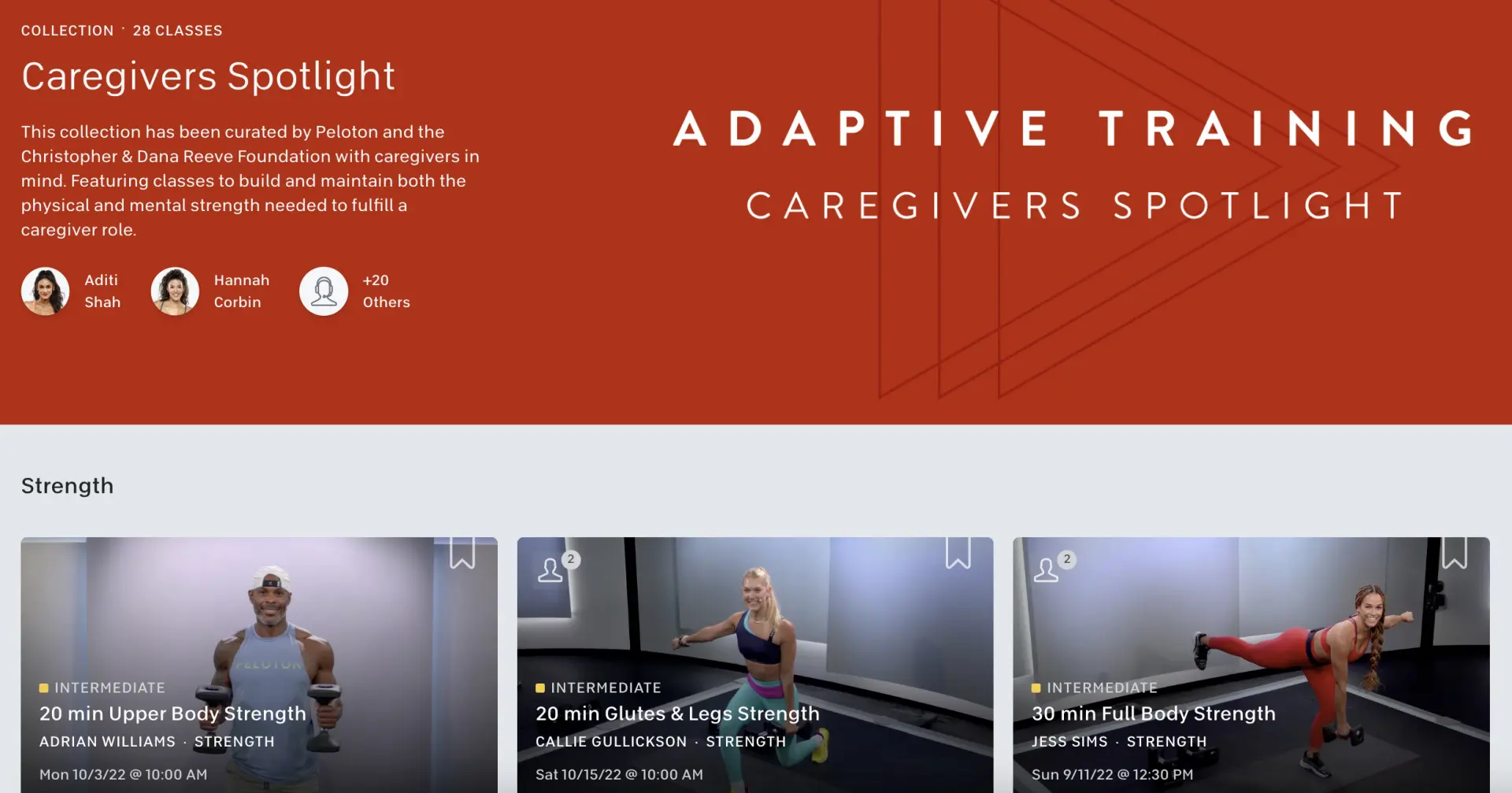
For caregivers, check out the “Adaptive Training: Caregivers Spotlight,” a collection of 28 classes to support caregivers’ mental, emotional and physical health – both as self-care and for the oftentimes strenuous work essential to caregiving, such as wheelchair transfers. The collection focuses on breathwork, upper body stretches, lower body strength, healthy back yoga flows, and strength warm-ups.
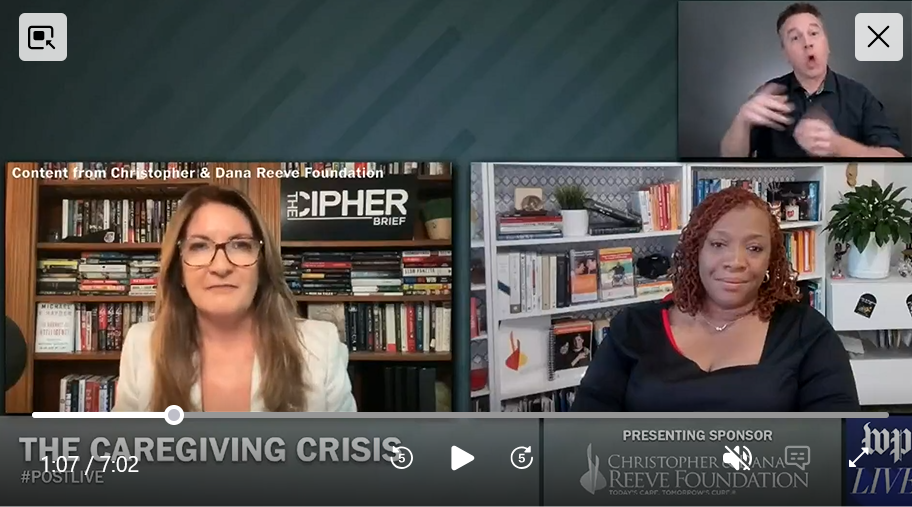
In a segment presented by the Christopher & Dana Reeve Foundation for Washington Post Live, Regina Blye, Chief Program and Policy Officer, sheds light on the systemic problems surrounding access to professional caregiving in America and how barriers to such care impact family caregivers.
Blye discusses her experiences as a gun violence survivor and a person living with quadriplegia, and explores potential legislative solutions to help ensure those caregiver policies and programs exist to help the disability community and their families.
Individuals who provide care for others with injuries or disabilities have unique challenges. Life can be rearranged for the entire family and friends. Being a caregiver includes accommodating the needs of the person you are caring for as well as meeting your own life needs.
Take care of your mental well-being. Create breaks or rest times for yourself. This might be time away in moments of solitude, especially in the beginning. You may find time to be in another room or close your eyes for five minutes. As time goes by, you will find opportunities to renew your life’s enjoyment.
Family members and friends want to help you but may not know what to do. Ask for help, or if someone volunteers, give them a job. Teach your volunteer tasks to help.
Monitor your mood, spirituality, and sleep. Caregiving can be exhausting. You may be up at night to assist with some personal care. Utilize your resources to your advantage.
Follow a healthy diet. It can be easy to fall into a quick bite of non-nutritious or comfort food. Follow a meal plan and stick to it.
Work with the person for whom you are providing care so they can do as much as they can on their own. This builds self-confidence and allows more independence for them.
Talk frankly with the person who is requiring your care. It may be easier for you to do some activities at alternate times. For example, showers may have been provided in the morning at the rehabilitation hospital, but it may be easier for you at home in the evening.
This is a new normal for you as well as for the individual you are providing care. See what must be done and set a schedule for these activities. Remember to put in breaks for yourself. As you adjust to your schedule, you can mold your caregiving activities into a regular routine.

Wife & Caregiver of Christopher Reeve,
Founder of the NPRC
1961-2006
Dana Reeve was known for being a model caregiver, supporting Christopher Reeve and their family after he sustained a spinal cord injury in 1995. It was her vision, to provide resources for the entire support system, that led to the creation of the National Paralysis Resource Center (NPRC) and many other Reeve Foundation services.
Read MoreThe National Paralysis Resource Center website is supported by the Administration for Community Living (ACL), U.S. Department of Health and Human Services (HHS) as part of a financial assistance award totaling $10,000,000 with 100 percent funding by ACL/HHS. The contents are those of the author(s) and do not necessarily represent the official views of, nor an endorsement by, ACL/HHS, or the U.S. Government.